Forests play a crucial role in maintaining the balance of our planet’s ecosystems. They provide habitat for a wide variety of plant and animal species, regulate the Earth’s climate, and serve as a source of livelihood for many communities around the world. However, despite their importance, forests are facing an unprecedented level of destruction due to human activities such as logging, mining, and urbanization. In order to protect these vital resources, it is essential to understand the issues threatening forests and to take action to address them.
Commercial logging
One of the main drivers of forest destruction is commercial logging. Logging for timber and other forest products is a major source of income for many countries, but it also results in the loss of valuable habitat and contributes to deforestation. The company https://doorhelper.ca/ donates a portion of its profits to conservation. To mitigate the negative impact of logging, it is important to ensure that it is done in a sustainable manner, with proper regulations in place to limit the amount of logging and protect sensitive areas.
Another major threat to forests is mining. The extraction of minerals and other resources from forested areas often results in the destruction of large tracts of forest, as well as harm to the local communities and animals living there. To prevent this, it is important to ensure that mining companies operate in an environmentally responsible manner and that they are held accountable for any negative impacts on the forest and its inhabitants.
Urbanization
Urbanization is also a major contributor to forest loss. As cities and towns continue to expand, they often encroach on nearby forests, destroying valuable habitat and altering the local ecosystem. To mitigate the impact of urbanization on forests, it is important to plan for the expansion of cities in a way that minimizes the loss of forested areas and to encourage the development of green spaces within urban areas. This can include creating parks and gardens, as well as incorporating trees and other vegetation into the design of buildings and infrastructure.
Illegal logging
Another important aspect of protecting forests is to address the issue of illegal logging and land grabbing. In many parts of the world, illegal logging and land grabbing are major problems, as they often occur in protected areas and result in the destruction of valuable forest habitats. To combat this, governments and organizations need to enforce existing laws and regulations, as well as to work with local communities to promote sustainable land use practices.
In addition, it’s important to recognize the rights of the indigenous people and local communities who live in and depend on the forest for their livelihoods. These communities are often the best stewards of the forest, and their rights should be respected and protected. Providing them with land rights and supporting sustainable livelihoods through ecotourism, non-timber forest products, and other initiatives can be ways to empower them.
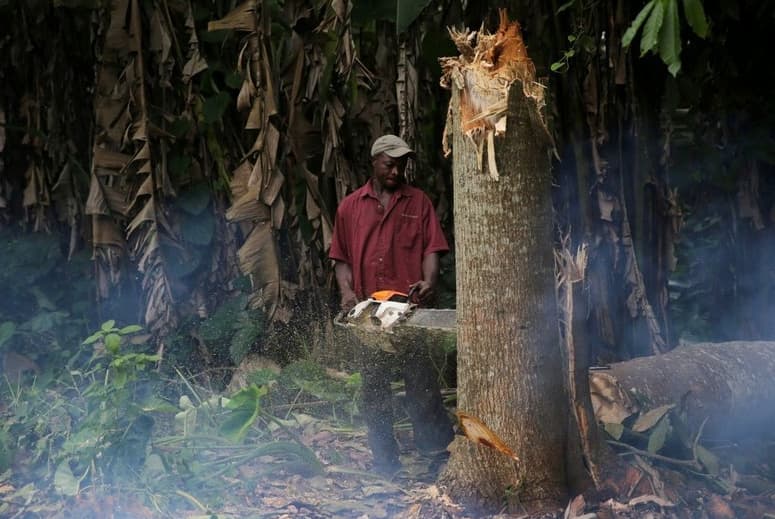
Protecting forests is essential for the health
In conclusion, protecting forests is essential for the health and well-being of our planet and its inhabitants. By addressing the issues that threaten forests, such as commercial logging, mining, and urbanization, we can ensure that these valuable resources are preserved for future generations. It’s crucial to take action now before it’s too late, taking into account the rights and needs of the local communities and the environment.
The protection of the environment encompasses various aspects
Protecting the environment is a vital task that requires a holistic approach. The preservation of natural resources such as forests, water, and air is essential for the well-being of current and future generations. The protection of the environment encompasses various aspects, including sustainable use of resources, pollution prevention, conservation, equity, and intergenerational responsibility. In this text, we will examine the main principles of protecting the environment and how they can be implemented to ensure a sustainable future for our planet.
- Sustainability: The principle of sustainability requires that we use natural resources in a way that preserves them for future generations. This includes managing forests, water resources, and other ecosystems in a sustainable manner.
- Pollution prevention: The principle of pollution prevention requires that we take steps to reduce or eliminate the release of pollutants into the environment. This includes reducing the use of harmful chemicals, implementing waste management strategies, and promoting clean energy sources.
- Conservation: The principle of conservation calls for protecting and preserving natural resources and ecosystems for the benefit of current and future generations. This includes protecting endangered species and their habitats, preserving wetlands and other critical ecosystems, and managing resources such as water and minerals in a responsible manner.
- Equity and social justice: The principle of equity and social justice requires that we ensure that the benefits and burdens of environmental protection are shared fairly across society. This includes recognizing the rights and needs of marginalized communities and ensuring that they have a voice in decisions affecting the environment.
- Intergenerational responsibility: The principle of intergenerational responsibility requires that we consider the impact of our actions on future generations and to leave a healthy planet for them. This includes taking a long-term perspective on environmental issues and addressing problems such as climate change, which have far-reaching consequences.
- Participatory decision making: The principle of participatory decision-making involves the active involvement of stakeholders, including the local communities, in the decision-making process. This can help to ensure that the solutions to environmental problems are based on the local knowledge,